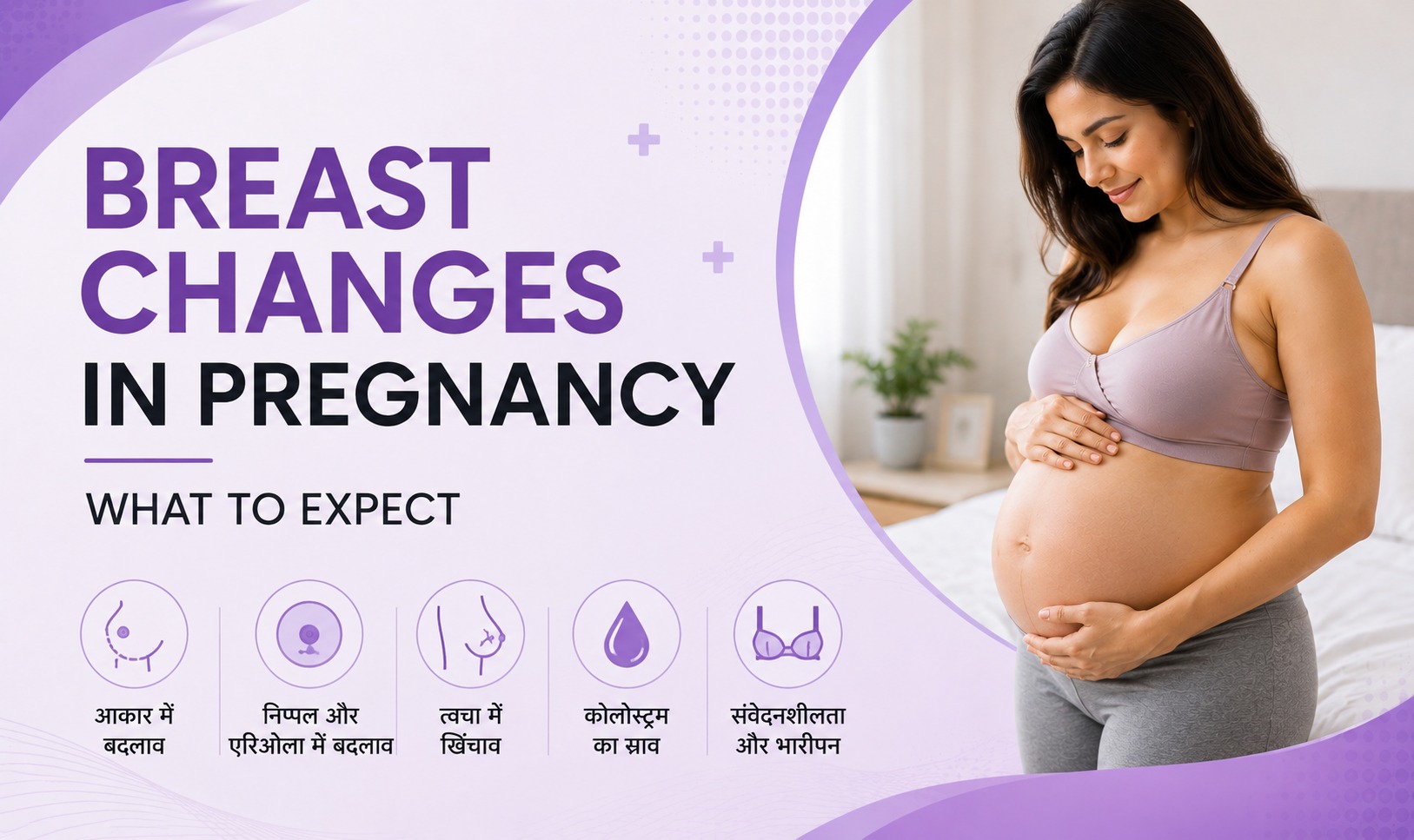
Many women notice breast growth during the first few weeks of pregnancy. Hormonal changes can cause the breasts to become larger, fuller, heavier, and more sensitive as the body prepares for breastfeeding. These changes are a normal part of pregnancy and may begin as early as 4 to 6 weeks after conception.
Many women notice an increase in breast size about 4 to six weeks after becoming pregnant.
In the early stages of gestation, the baby's body makes more hormones. These hormones assist in preparing your breasts for breastfeeding, and may cause them to grow bigger and more sensitive.
Common changes in the breasts can include:
For certain women, changes in their breasts are among the first indications of pregnancy.
The term "pregnancy boobs" simply refers to the growth of breasts that occurs during the course of pregnancy.
Your breasts will get larger due to:
When the time comes to terminate pregnancy, the majority of women will increase by one or three bra sizes.
There is no fixed answer because every woman's body reacts differently.
Some women only notice an increase in size, while some experience more drastic changes. Searches such as large pregnant tits or tits during pregnancy are commonplace because lots of women are amazed by the extent to which their breasts expand when they are pregnant.
Things that could alter the growth of breasts are:
Women who are expecting for the first time usually experience more noticeable breast changes.
Within the first 3 weeks, the breasts could develop into:
Also, you may notice the appearance of blue veins due to increased blood flow.
In the middle of pregnancy:
Many women report that the soreness in their breasts becomes less apparent during this stage.
In the final several months before the birth:
At this moment, you're getting your breasts ready to be able to breastfeed.
Yes, breast tenderness is a common symptom during pregnancy. Hormonal changes and increased breast tissue development can make the breasts feel sore, swollen, or more sensitive than usual, especially during the first trimester.
However, you should consult your healthcare provider if you experience:
While mild discomfort is generally a normal part of pregnancy, any unusual or persistent symptoms should be evaluated by a medical professional.
Many women observe that their nipples get darker during pregnancy.
This is due to hormone changes within the body. Researchers believe that these changes could assist babies in locating the nipple more easily while breastfeeding.
Other possible nipple changes could be:
These changes are generally normal and tend to increase after the birth of a child.
Yes, As your breasts expand, your skin expands. This may result in stretch marks, especially when the breasts grow fast.
To help care for your skin during pregnancy:
Stretch marks cannot always be prevented, but they often become lighter over time.
Yes. Breast changes can continue after the birth of your baby.
After delivery:
The degree of change varies for every woman and varies based on factors like genetics, age, and the way you breastfeed.
Breast changes during pregnancy are a normal part of your body's preparation for breastfeeding. While the size, shape, and sensitivity of the breasts can vary from woman to woman, most changes are driven by hormonal shifts that support your baby's development.
If you have concerns about breast health, post-pregnancy breast changes, or breast appearance, consulting one of the best breast plastic surgeons in India can help you better understand your options and receive personalized guidance based on your needs.